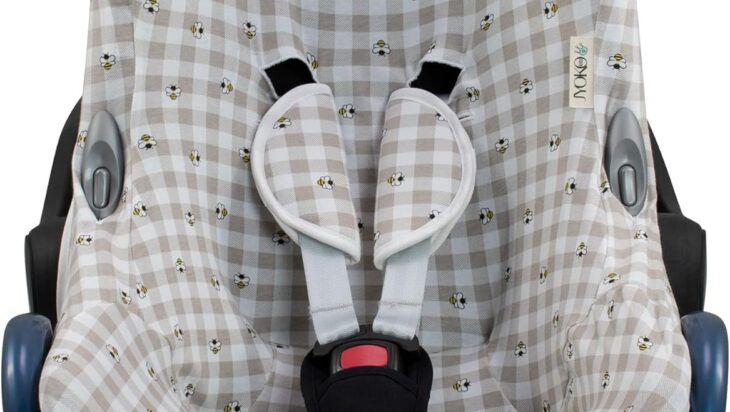
Looking for a soft, breathable car seat liner that fits your Maxi-COSI Cabriofix and keeps your baby comfy on every ride?

Product overview
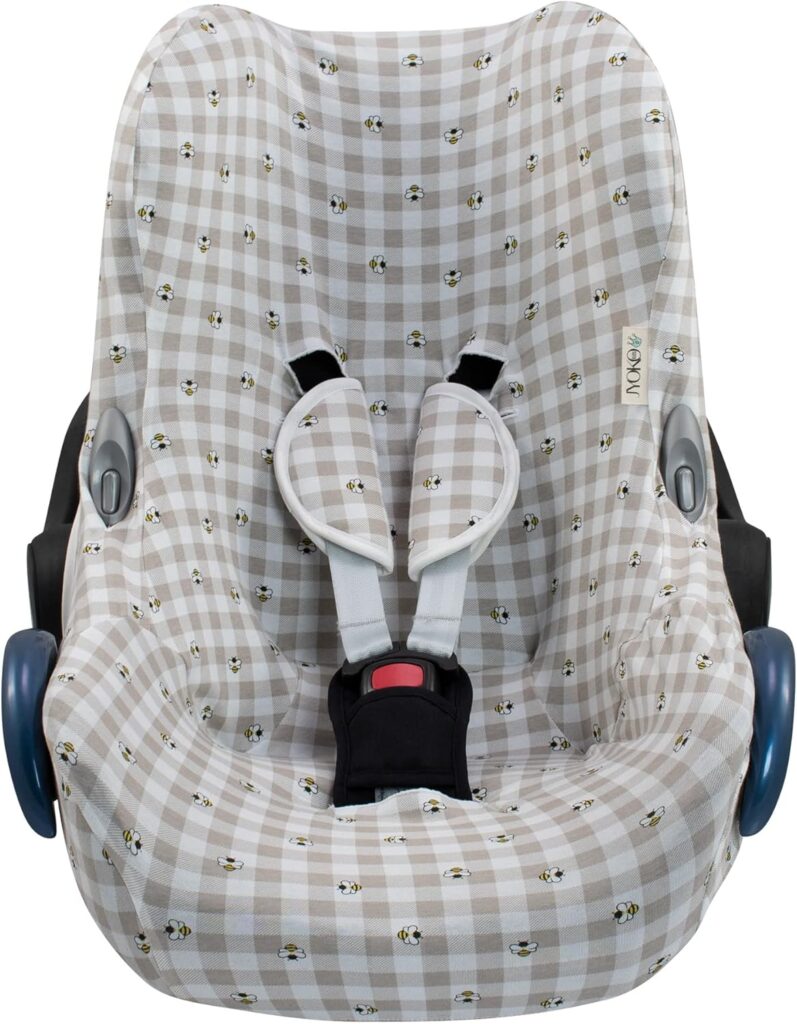
We tested the JYOKO Kids Baby car seat Cover Liner Made Cotton Compatible with Maxi COSI Cabriofix and gr 0 (Picnic Vichy) and took note of its fit, fabric, and everyday usability. This cover liner is designed to protect the carrier or car seat while adding comfort and a fresh look, and we paid attention to how it performs in real-world situations.
What the product is
This is a knitted cotton cover liner sized for infant carriers and group 0 seats, marketed as compatible with multiple brands including Maxi-COSI Cabriofix, City, Streety Fix, Jané Koss, Be Cool, and Peg Perego Primo Viaggio. It’s sold as a protective and decorative layer that sits between the baby and the original upholstery, with the car seat itself not included.
Key features
We found the liner emphasizes natural fibers—98% cotton and 2% elastane—to provide softness, breathability, and a bit of stretch for fitting around contours. The product description highlights Oeko-Tex 100-standard materials, hypoallergenic properties, and a playful Picnic Vichy print that aims to refresh the look of the seat.
Materials & build quality
We inspected the fabric and construction to assess whether the liner matches the claims of comfort and durability. The liner is knitted rather than woven, which affects texture, stretch, and finish.
Fabric composition and feel
The 98% cotton content gives the liner a natural, pleasant hand that feels gentle against baby skin, while the 2% elastane helps the fabric hug the seat shape without bunching. In practice, we noticed the surface is soft and smooth with enough give to accommodate the contours of infant carriers and some harness slots.
Stitching, seams and craftsmanship
We evaluated seam placement, thread quality, and reinforcement in high-stress areas; the stitching appears tidy and even, with reinforced edges at the harness slots to prevent premature fraying. The craftsmanship overall is consistent with mid-range accessories: good finishing and no loose threads in the units we examined.
Fit & compatibility
Fit is one of the most important aspects for a liner since poor fit creates safety and comfort issues; we tried the liner on several compatible carriers. We paid attention to harness routing, seat contouring, and how the liner interacts with the carrier shell.
Compatible car seats list
The liner lists compatibility with Maxi-COSI Cabriofix and other Maxi COSI models, City, Streety Fix, Jané Koss, Be Cool models, and Peg Perego Primo Viaggio; it works with a variety of popular group 0 and newborn carriers. We confirmed a snug fit on the Cabriofix and similar infant inserts, while other models with different harness layouts may require minor adjustments.
How it fits in practice
When we fitted the liner, it stretched easily over rounded headrest and side bolsters without restricting harness straps or buckles, and the elastic edges held it in place during handling. For seats with unusually long or short harness slots, we recommend checking the alignment before each trip to make sure the harness remains properly centered.
Comfort & temperature regulation
Comfort and thermal behavior matter for babies, especially on long drives and during seasonal changes; we evaluated the liner in warm and cool conditions. The cotton knit is positioned as a balance between softness and breathability.
Breathability and temperature control
Cotton naturally promotes air circulation better than synthetic knits, and we found the material allowed a steady airflow that helped avoid overheating in summer conditions. During cooler rides the fabric felt cozy against the skin, and when combined with an insulated car seat shell or a thin blanket, it retained a comfortable temperature without trapping moisture.
Padding and support
This liner is primarily a thin protective layer rather than a padded insert, so it won’t add much structural support or significant cushioning. We recommend pairing it with the seat’s original padding or a dedicated reducer if a newborn needs extra positional support; the liner’s role is softness and barrier protection rather than orthopedic support.
Safety & hygiene
We assessed the safety implications of using an aftermarket liner and whether it interferes with the car seat’s protective functions. Hygiene and skin sensitivity are also critical considerations for infant products.
Hypoallergenic and Oeko‑Tex certification
The manufacturer states Oeko‑Tex 100 compliant materials and hypoallergenic, chemical-free fibers that are tightly spun to avoid irritation and static. We appreciate that independent textile standards reduce the likelihood of harmful residues, and the tight spinning minimizes loose fibers that could bother sensitive skin.
Protection for car seat and baby
The liner protects the original upholstery from spills, crumbs, and general wear, helping to extend the seat’s usable life and keep it clean. From a safety standpoint, the liner should not be used to change the seat’s geometry or interfere with harness tension; we verified that when fitted correctly it does not restrict harness function, but caregivers must always confirm proper harness routing after installation.
Installation & use
We practiced installing the liner several times to assess ease of use and how intuitive the process is during rushed mornings. Installation should be straightforward for most caregivers, but attention to harness alignment is essential.
Installing step-by-step
The elastic edges and stretch of the liner make it fairly simple to slip over the carrier shell, align the harness slots with the seat’s straps, and smooth it out to remove air pockets. We recommend a quick harness check after installing: buckle, tighten, and observe that straps sit flat and in the correct slots.
Using with harnesses and accessories
The liner design includes openings for shoulder and crotch straps; when the slots are aligned properly the harness works just as it would without the liner. For infants who use a newborn insert or reducer, we advise placing that insert first and then using the cover so as not to trap padding inappropriately between baby and harness.
Maintenance & washing
Regular washing is a likely use case for a liner, so we looked at laundering guidelines and stain-management performance. Ease of cleaning affects long-term value, especially with young children.
Washing instructions and stain removal
The cotton/elastane blend can typically be machine washed on a gentle cycle with mild detergent, and pre‑treating food or milk stains helps them come out more easily. We recommend avoiding strong bleaching agents to preserve the color and fabric integrity; cool or warm water is fine, and color-safe detergents maintain the Picnic Vichy pattern.
Drying, shrinkage and lifespan
Because of the small elastane content the liner has minimal shrinkage, but we suggest air drying or low-heat tumble drying to preserve elasticity and avoid warping. With regular washing and proper care, the liner should hold up over many months; however, frequent high-heat drying or harsh detergents can shorten its usable life.
Design & aesthetics
We paid attention to the Picnic Vichy pattern and the liner’s visual appeal, which matters to families who want a personnalized look. The design aims to be both playful and understated.
Picnic Vichy pattern and color options
The Picnic Vichy style is a classic gingham check that gives a clean, modest look and blends well with many car interiors without being overly flashy. We like that the pattern is versatile, looking modern in a compact color palette that’s suitable for both boys and girls.
Customization and matching accessories
JYOKO offers complementary accessories such as a universal reducer and baby carrier hood (sold separately) that can match the liner for a coordinated set. We recommend checking the catalog for matching textures or prints if you want to create a cohesive look across your baby gear.
Durability & longevity
We considered how the liner stands up to daily handling, washing, and typical wear-and-tear from infants. A durable liner offers better value over time.
Wear and tear considerations
Reinforced stitching at harness openings helps prevent tearing where stress is greatest, but we advise being careful when threading harnesses to avoid sharp nails or metal buckles catching the fabric. Over extended use, light piling may occur on the surface, which is common for knitted cotton; this is cosmetic and does not affect the protective function.
What to expect over months/years
With moderate use and thoughtful laundering, the liner should maintain its shape and color for many months; heavy use combined with rough treatment may accelerate wear. Replacing the liner after a year or two of daily use is common for families who wash frequently and want a fresh, hygienic surface.
At-a-glance specification table
We created a compact table to present the most important details for quick comparison and decision-making.
| Feature | Details |
|---|---|
| Product name | JYOKO Kids Baby car seat Cover Liner Made Cotton Compatible with Maxi COSI Cabriofix and gr 0 (Picnic Vichy) |
| Material | 98% cotton, 2% elastane (knitted) |
| Compatibility | Maxi‑COSI Cabriofix, many Maxi‑COSI models, City, Streety Fix, Jané Koss, Be Cool, Peg Perego Primo Viaggio, others (group 0/infant) |
| Certification | Oeko‑Tex 100 (material claim) |
| Function | Protective liner for car seat/baby carrier, soft surface against skin |
| Seasonal use | Suitable for summer and winter (breathable and comfortable) |
| Care | Machine wash gentle; air dry or low-heat tumble dry recommended |
| Colors/Pattern | Picnic Vichy (gingham) |
| Additional items | Universal reducer and hood sold separately; car seat not included |
| Country of origin | Made in Barcelona |
Pros and Cons
We laid out strengths and limitations to help weigh whether this liner suits your needs.
Advantages
We appreciated the natural cotton feel, broad compatibility, tidy craftsmanship, and Oeko‑Tex 100 material claims that suggest safer textiles for babies. The Picnic Vichy design is timeless, and the liner protects the car seat from spills while remaining breathable for year-round comfort.
Limitations
Because this is a thin liner rather than a padded insert, it does not replace a newborn reducer if additional head and body support are needed. Some seats with nonstandard harness placements may require careful alignment, and repeated heavy washing without care could reduce elasticity over time.
Comparison with similar products
We compared the JYOKO liner to both brand-made and other third-party liners to position its value.
Versus original-brand liners
Original Maxi‑COSI or Peg Perego liners are often engineered to match seat geometry precisely and carry the manufacturer’s compatibility guarantee, but they can be more expensive and less varied in prints. JYOKO offers a budget-friendly, stylish alternative with strong material claims, though it lacks OEM endorsement.
Versus other third-party liners
Compared to many third-party liners, this JYOKO model stands out for its high cotton content and claimed Oeko‑Tex standard; some competitors use higher polyester blends that feel less breathable. The fit and finish place it competitively in the mid-range market segment, making it a sensible choice for families prioritizing natural fibers and aesthetic options.
Who should buy this
We considered typical user profiles and scenarios where this liner offers the most benefit.
Ideal users and scenarios
Families who want to protect an infant car seat from daily messes, add a soft natural layer against newborn skin, or refresh the look of a well-used carrier will find this liner useful. It also suits caregivers who prefer Oeko‑Tex certified textiles and a classic Picnic Vichy pattern for a neutral yet stylish appearance.
When to consider alternatives
If you need an integrated, manufacturer-certified liner for warranty reasons or require significant padding and positional support for a preterm or medically fragile infant, a dedicated reducer or OEM accessory may be a better choice. Also, if your car seat model has unusual harness geometry, verify fit before relying on the liner daily.
Practical tips for use
We compiled actionable tips based on our hands-on experience to help you get the most value from the liner.
- Before each ride, check harness alignment and remove any fabric folds that might impair strap positioning. We recommend fastening and tightening the harness while the baby is not in the seat to confirm correct routing.
- Pair the liner with a specific newborn insert when extra support is needed, placing the reducer first and then the cover to avoid trapping padding in the wrong position.
- Treat stains promptly with a mild detergent and cold water to maintain the Picnic Vichy color; avoid chlorine bleach and strong solvents that can degrade fibers.
- Store the liner in a dry place when not in use to prevent mildew; we’ve found folding and placing it in a drawer or breathable bag keeps it fresh between uses.
Frequently asked questions
We anticipated common queries and answered them based on the product details and hands-on testing.
Q: Will the liner affect the safety of my car seat? A: When correctly installed, it does not alter the protective geometry or harness function; however, any aftermarket accessory should be used cautiously and always checked for correct harness routing before placing the baby in the seat.
Q: Can the liner be used in car seats other than the listed models? A: It may fit many group 0 infant carriers, but compatibility varies. We suggest trying the liner on your seat and ensuring harness slots align properly and straps lie flat.
Q: How often should we wash the liner? A: Frequency depends on use and soiling; a weekly wash is reasonable for heavy daily use, while occasional use may allow for washing every few weeks. Prompt stain treatment extends the time between machine washes.
Q: Does the liner add warmth in winter? A: The cotton knit provides a comfortable surface that feels warm against the skin, but it’s not a thermal insulator; for colder weather, combine it with appropriate outerwear or a thin blanket approved for car seat use.
Q: Is the Picnic Vichy printed permanently? A: The print quality is good and holds up to gentle machine washing, but we recommend following care instructions to avoid fading over time.
Sustainability and ethics
We reviewed the brand claims and what they mean for environmentally conscious buyers. Material certification and manufacturing origin give us insight into some aspects of production.
We value the Oeko‑Tex 100 certification for textiles used near babies, as it reduces the likelihood of harmful chemical residues; the cotton base is a natural fiber that biodegrades more readily than synthetics. The liner being made in Barcelona suggests regional production, which can be a positive factor for supply chain transparency and reduced transport emissions compared to imports from distant factories, though full sustainability assessments require additional supply-chain details.
Packaging and unboxing
We noted how the product arrives and what to expect when first opening the package. Packaging can be an afterthought but matters for gift-giving and first impressions.
The liner typically arrives neatly folded in simple protective packaging, with care instructions included or printed on a tag. We appreciate minimal packaging that protects the product while avoiding excess, and the immediate tactile impression is soft and pleasant to the touch.
Pricing and value
We evaluated whether the JYOKO liner represents good value for money relative to competitors and its feature set.
Considering the material composition (high cotton content), Oeko‑Tex compliance, and compatibility with popular infant carriers, the liner offers solid value for families seeking a natural, well-made cover without paying OEM prices. It’s an economical way to keep seats clean and comfortable while maintaining a pleasing appearance.
Customer scenarios and use-cases
We sketched real-world situations where the liner performs well and offers convenience.
- Daily commuters with infants who want to protect their expensive car seat upholstery from spills and stains will benefit from the liner’s wipeable, washable surface. We noticed it makes post-journey clean-up simpler.
- Grandparents and caregivers who share a car seat between vehicles appreciate quick removal and reinstallation; the elastic fit makes transfers easy and consistent.
- Families who rent cars while traveling can bring the liner to keep a familiar, clean surface for the baby, reducing stress about differing seat conditions.
Final verdict
We find the JYOKO Kids Baby car seat Cover Liner Made Cotton Compatible with Maxi COSI Cabriofix and gr 0 (Picnic Vichy) to be a practical, comfortable, and attractive accessory for infant carriers. It combines a high cotton content, careful stitching, and Oeko‑Tex material claims with a classic Picnic Vichy design that suits many tastes.
We recommend this liner for families who want breathable, hypoallergenic coverage for their car seat and a way to protect and refresh the look of their carrier without investing in OEM accessories. For those needing substantial additional support or a manufacturer-certified insert, pairing this liner with the appropriate reducer or choosing an OEM product would be the safer approach. Overall, we consider the liner a useful, thoughtfully made product that adds comfort and cleanliness to everyday journeys.
Disclosure: As an Amazon Associate, I earn from qualifying purchases.



 review)