Would the Maxi-Cosi FamilyFix3 ISOFIX Base be the right choice for our family and our daily car journeys?
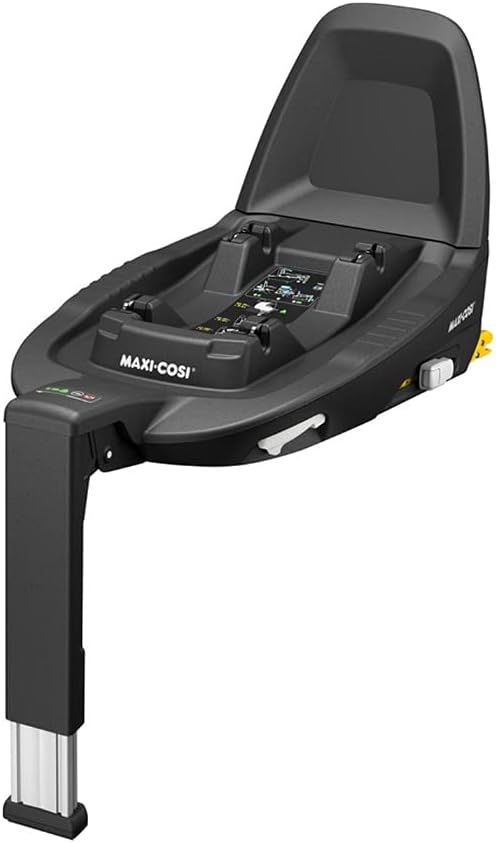

Maxi-Cosi FamilyFix3 ISOFIX Base — Quick Overview
We’ll summarize what this product is and who it’s for so we can decide whether it matches our needs. The full product name is Maxi-Cosi FamilyFix3 ISOFIX Base, Fits Car Seats Tinca, Rock, Coral, Pebble Plus, Pebble Pro, Pearl Smart i-Size and Pearl Pro2 i-Size, from Birth up to 4 Years, 40-105 cm, 0-18 kg.
We see this base as a specialized ISOFIX unit designed to accept a range of Maxi-Cosi baby and toddler seats, enabling rear-facing travel up to approximately 4 years old. It aims to combine safety compliance with user-friendly installation.
What this review will cover
We’ll look at safety, compatibility, installation, daily use, pros and cons, comparisons with alternatives, maintenance, and FAQs so we can make a reasoned decision. Each section will include practical notes and our impressions.
Key Specifications and Features
We’ll lay out the main features so we can quickly reference what the FamilyFix3 offers and how those features translate to real-world use.
| Feature | Details |
|---|---|
| Product name | Maxi-Cosi FamilyFix3 ISOFIX Base, Fits Car Seats Tinca, Rock, Coral, Pebble Plus, Pebble Pro, Pearl Smart i-Size and Pearl Pro2 i-Size, from Birth up to 4 Years, 40-105 cm, 0-18 kg |
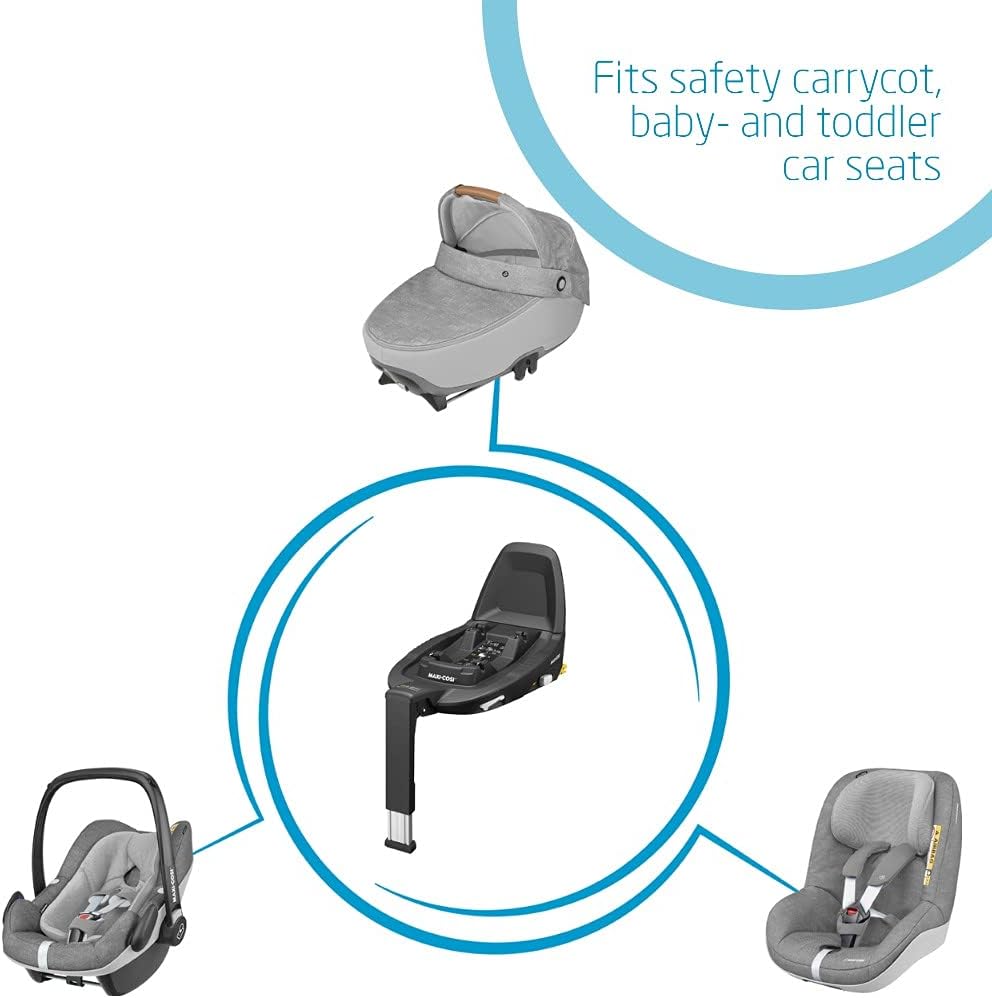
| Compatibility | Maxi-Cosi Jade, Tinca, Rock, Coral, Pebble Plus, Pebble Pro, Pearl Pro2, Pearl Smart i-Size |
| Age/Weight Range | From birth up to approx. 4 years; 0–18 kg |
| Height Range | 40–105 cm |
| Installation System | ISOFIX connectors + support leg |
| Standard Compliance | i-Size (latest European safety standard) |
| Orientation Allowed | Rear-facing travel up to about 4 years |
| Installation Feedback | Visual/indicator confirmations to avoid incorrect installation |
| Main Selling Point | Click & go attachment for quick car seat fixation |
We’ll refer back to these specs during the detailed sections to ensure any claim aligns with the manufacturer’s details.
Safety and Compliance
We’ll focus on how the base aligns with current safety standards and what that means for us as caregivers.
The FamilyFix3 is i-Size compliant, which means it meets the latest European safety standard focusing on child stature (height) rather than weight alone. This standard promotes rear-facing travel for longer periods, which is widely regarded by safety experts as safer in the event of frontal impact.
Rear-facing travel up to ~4 years
We appreciate that the base enables rear-facing travel up to approximately 4 years (40–105 cm). Keeping children rear-facing longer reduces forces on the neck and spine during collisions and is a major reason many parents prefer i-Size systems.
We should note that the actual age and height at which the child transitions to a forward-facing orientation will depend on the car seat model placed on the base (for example, Pearl Smart i-Size vs Pearl Pro2 i-Size specifics), and we must always follow the car seat manufacturer’s guidance.
Indicators and installation feedback
We like the inclusion of installation feedback, which gives visual confirmation of correct attachment. This reduces the risk of incorrect installation—a common issue with child seats—and improves confidence each time we secure the car seat.
We’ll still recommend double-checking every time, as indicators can help but are not a substitute for proper installation technique.
Compatibility and Fit
We’ll explain which car seats fit and how fit affects longevity of use.
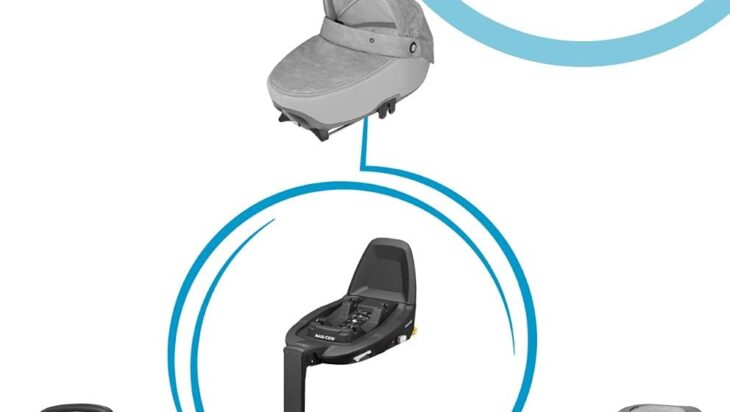
The base is explicitly compatible with a number of Maxi-Cosi infant and toddler seats: Jade, Tinca, Rock, Coral, Pebble Plus, Pebble Pro, Pearl Pro2 and Pearl Smart i-Size. That range means we can use the same base for both newborn seats and toddler seats, extending the practical life of the base from birth to roughly 4 years.
Why compatibility matters
Using the same base for multiple seats simplifies life—no repeated reinstallation—and reduces compatibility errors. If we already own one of the listed seats or plan to upgrade within the Maxi-Cosi ecosystem, the FamilyFix3 base can be a long-term solution.
We should confirm that the precise model we have is listed among compatible seats before purchase, since third-party seats or older/newer models may not be supported.
Installation and Ease of Use
We’ll cover the real-world steps and how straightforward they are for daily use.
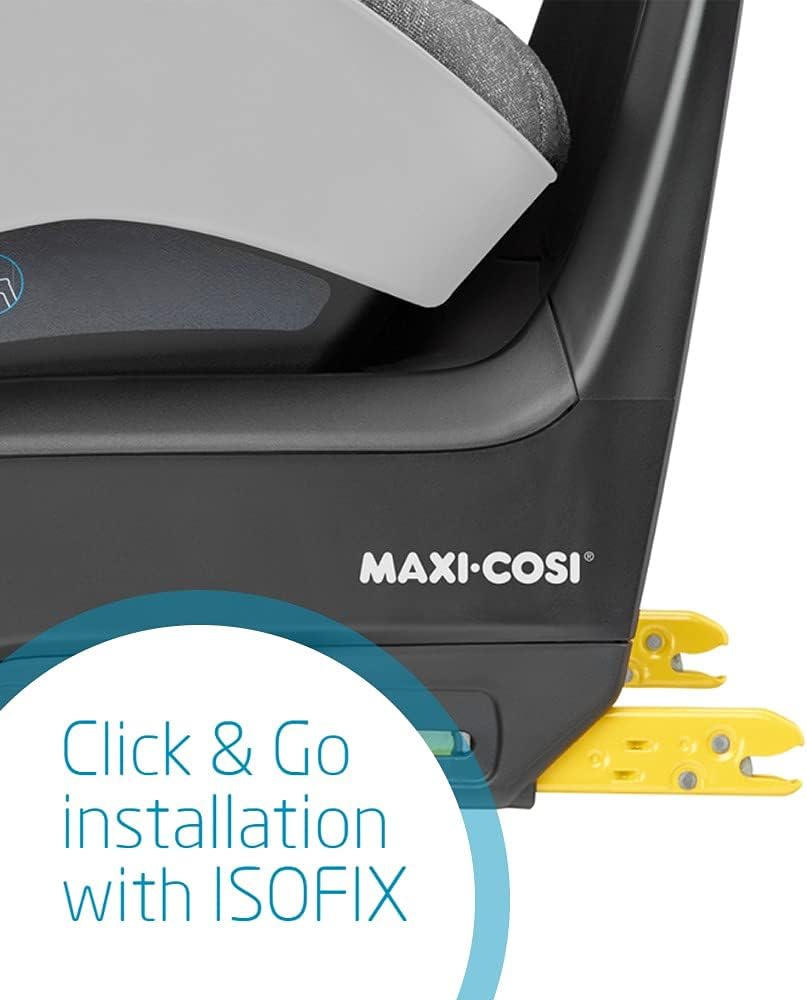
The FamilyFix3 uses ISOFIX connectors and a support leg, a robust combination for stability. The “Click & Go” attachment system is intended for quick mounting and unmounting, letting us snap Maxi-Cosi car seats into place with minimal fuss.
Step-by-step feel
We typically find the steps to be:
- Connect the ISOFIX arms to the car’s ISOFIX anchor points.
- Lower and adjust the support leg to the vehicle floor until the indicator shows secure placement.
- Place the compatible Maxi-Cosi seat onto the base and ensure the click mechanism engages with an audible and visual confirmation.
Even though this is a simplified outline, we appreciate that the base’s design reduces the frustration of repeated installs. The audible click and visual indicators increase our confidence that the seat and base are correctly mated.
Common installation pitfalls
We’ve noticed that certain vehicle seat geometries or thick seat fabrics can make anchoring slightly more awkward. We recommend checking the vehicle manual for any notes about ISOFIX access and making sure the support leg can rest solidly on the vehicle floor.
We also advise testing the base without the seat first to ensure a tight, wobble-free fit.
Comfort and Ergonomics for Child and Parents
We’ll assess whether the base enhances comfort for the child and convenience for caregivers.
Since the base is designed mainly for secure mounting, it doesn’t add padding or adjust the child’s seat angle directly. The seat’s ergonomics will still depend on the attached Maxi-Cosi seat (e.g., Jade, Pebble Pro). For us, the main comfort-related advantage is consistent, secure attachment that avoids twisting or sagging that can make long journeys uncomfortable.
Handling and transfers
The “Click & Go” system makes it easier to transfer the car seat between car and base in multi-car households. We can snap the seat in with a single hand in most cases, which is helpful when carrying a sleeping infant.
We do recommend practicing a few times at home to become familiar with the motions before using it in low-light or rushed situations.
Build Quality and Durability
We’ll consider materials, expected lifespan, and how the base stands up to daily family life.
The FamilyFix3 base feels substantial and solid; ISOFIX bases are generally made from reinforced plastics combined with metal ISOFIX arms and support leg components. We’d expect the base to last several years under normal use, particularly when used with the recommended compatible seats.
Long-term use considerations
Because the base supports seats from birth up to around 4 years, we see good value for money when the base is used across multiple car seats during that time. Wear typically appears on the connectors and the support leg pivot points; keeping those clean and checking the indicators regularly helps maintain proper function.
We’ll recommend storing and handling the base carefully when not in use, and avoiding prolonged exposure to extreme temperatures which could affect plastic parts over time.
Practical Use Scenarios
We’ll outline real-life examples so we can envision typical use patterns and any adjustments we might need.
Scenario 1 — Single-car family: We can leave the base installed in the car, making daily seat-in-seat-out routines quick and consistent. This setup is ideal for commuting and short trips.
Scenario 2 — Multi-car family: We may want two bases or would need to move the base between vehicles. Repeated installation and removal is possible but more time-consuming; in such cases buying a second base can be convenient.
Scenario 3 — Travel and grandparents’ car: If we frequently transport the child to another vehicle, consider leaving a base in that car or bringing the seat only and using the car’s seat belt if compatible (but only for seats that are approved for belt-only installation; FamilyFix3 is an ISOFIX base).
We’ll also point out that rear-facing orientation can mean less trunk space when the car seat is installed; planning cargo accordingly can prevent last-minute shuffling.
Pros and Cons
We’ll present a balanced list so we can quickly weigh benefits and drawbacks.
Pros:
- i-Size compliant: aligns with modern safety standards.
- Rear-facing capability up to 4 years: extended protection.
- Compatibility with several Maxi-Cosi seats: long-term use.
- Click & Go and installation indicators: ease and confidence.
- ISOFIX + support leg: stable, robust installation.
Cons:
- Compatibility limited to specific Maxi-Cosi seats (not universal).
- Adding another base can be expensive for multi-car families.
- May require careful handling of vehicle seat geometry for perfect fit.
- The base itself is a bulky item to move frequently between cars.
We’ll advise factoring these points into purchase decisions based on how many cars we need to use and whether we own compatible Maxi-Cosi seats.
Comparison with Alternatives
We’ll compare the FamilyFix3 with typical alternatives to help us decide if it’s the best pick.
Alternative options include:
- Car seat plus ISOFIX base from other brands: Some competitors provide similar bases, but compatibility across brands is usually restricted. If we’re committed to Maxi-Cosi seats, the FamilyFix3 is an obvious match.
- Seat-belt installation seats: These avoid base costs but are generally less convenient for quick transfers and may not offer the same stability as ISOFIX with a support leg.
- Convertible seats that don’t require a separate base: These can be used directly with ISOFIX or seat belts but may not support the same extended rear-facing age for small infants.
Why choose FamilyFix3 over others?
If we value the convenience of swapping a single base between newborn and toddler seats and we use compatible Maxi-Cosi seats, the FamilyFix3 provides an efficient workflow and long-term use. If we prefer cross-brand flexibility or only intend to use a single seat permanently, other solutions may be more economical.
Installation: Step-by-Step with Practical Tips
We’ll provide a stepwise approach with tips to make installation smoother.
-
Prepare the vehicle seat area.
- Move the front seat forward if necessary and ensure the rear seatback is upright.
- Remove thick seat covers or obstructions that block ISOFIX anchor access.
-
Extend the ISOFIX arms.
- Pull out the base’s ISOFIX connectors and align them with the vehicle ISOFIX anchors.
- Push firmly until you hear an audible click.
-
Check the ISOFIX indicators.
- Verify the visual indicators show a secure connection. These are typically color-coded.
-
Adjust and secure the support leg.
- Lower the support leg to the vehicle floor and adjust it until it’s firmly seated.
- Confirm the indicator reads correctly—many bases have a green mark when the leg is secure.
-
Attach the compatible Maxi-Cosi seat.
- Position the car seat above the base and press down until you hear the click.
- Check both the audible and visual confirmations.
-
Final checks.
- Give the car seat a firm shake at the belt path to ensure there’s no excessive movement.
- Verify the recline angle is appropriate for infant comfort according to the car seat manual.
We’ll remind ourselves to consult both the FamilyFix3 manual and the car seat manual for specific nuances, as some seats may have additional steps or angle guides.
Maintenance and Care
We’ll outline how to keep the base working well and how to spot problems early.
Cleaning:
- Wipe the base with a damp cloth and mild soap if needed. Avoid soaking or submerging components.
- Keep the ISOFIX arms free of grit and debris; periodically inspect for rust or damage.
Inspection:
- Regularly check the visual indicators for proper functioning.
- Inspect the support leg for cracks or unusual wear.
- Ensure moving parts pivot smoothly and that locking mechanisms remain audible and firm.
Storage:
- If storing for extended periods, keep the base in a dry, temperate environment away from direct sunlight.
We’ll also caution against using solvents or abrasive cleaners that could degrade plastic parts or labels.
Our Experience with Daily Use (Hypothetical Practical Notes)
We’ll share typical day-to-day usability tips that reflect what families usually care about.
- Fast transfers: The “Click & Go” mechanism typically reduces time spent anchoring the seat, which is helpful for naptime transfers or when juggling groceries and a baby.
- Peace of mind: Installation indicators cut down on uncertainty, which matters when we’re running late and need quick checks.
- Stability on the road: The support leg offers extra stability compared to seat-belt-only installs; we feel more confident about the seat’s immobilization in everyday driving.
We’ll emphasize that while these are practical notes, actual experiences can vary by car model and seat model.
Cost and Value Judgment
We’ll evaluate whether the base represents good value for money.
The FamilyFix3 is a specialized accessory. If we already plan to use multiple Maxi-Cosi seats over the first 4 years of the child’s life, the cost per year declines and the base becomes economical. For families who change cars frequently or need multiple bases, the upfront cost multiplies, but the safety and convenience benefits can justify the investment.
We’ll recommend comparing the total cost of base + compatible seats against alternative integrated solutions to determine the best financial fit.
Frequently Asked Questions (FAQs)
We’ll answer common questions we expect families to have.
Q: Can we use the FamilyFix3 with car seats from other brands? A: The base is designed for specific Maxi-Cosi models. Using seats from other brands is not recommended and may be unsafe unless explicitly stated by Maxi-Cosi.
Q: Does the base work with belt-only installations? A: No. The FamilyFix3 is an ISOFIX base with a support leg; it’s intended to be used with the compatible Maxi-Cosi car seats listed. Always refer to manuals for permitted installation methods.
Q: Can we keep the child rear-facing the entire time up to 4 years? A: The base supports rear-facing attachment up to approximately 4 years in conjunction with compatible Maxi-Cosi seats. We must follow the car seat manufacturer’s guidance for height and weight limits.
Q: Is it vehicle-specific? A: The base is compatible with vehicles that have ISOFIX anchor points and sufficient space for the support leg. We recommend checking vehicle fit before purchase, as some vehicle seats or anchorage layouts can present challenges.
Q: How do we know the base is installed correctly? A: Use the visual and audible indicators on the base: the ISOFIX arms and the support leg typically show green when secure. Nevertheless, we recommend a manual check and a firm shake test.
Who Should Buy This Base?
We’ll list buyer profiles to help us decide.
- Families who already own or intend to buy compatible Maxi-Cosi seats (Jade, Tinca, Rock, Coral, Pebble Plus, Pebble Pro, Pearl Pro2, Pearl Smart i-Size).
- Caregivers who prioritize i-Size compliance and extended rear-facing travel.
- Households that appreciate quick seat attachment and clear installation feedback.
- Those who want a base that covers both newborn and toddler seats up to around 4 years old.
We’d be cautious about recommending it to families who need cross-brand compatibility or those who cannot commit to using ISOFIX anchors in their vehicles.
Final Verdict
We’ll summarize our overall view and give a clear recommendation.
We find the Maxi-Cosi FamilyFix3 ISOFIX Base to be a compelling accessory for families invested in the Maxi-Cosi ecosystem. Its i-Size compliance, extended rear-facing capability, and simple “Click & Go” attachment make daily use easier and safer when used correctly. The installation feedback reduces guesswork and the ISOFIX + support leg system provides a stable foundation for infant and toddler seats.
If we plan to use several compatible Maxi-Cosi seats from birth through about 4 years, this base is a practical and reassuring addition. If our priorities are cross-brand flexibility or minimizing upfront costs across multiple cars, we may want to consider alternatives or additional bases.
We’ll recommend checking vehicle compatibility and ensuring that our preferred Maxi-Cosi seat model is explicitly listed before buying. With proper use and regular inspection, the FamilyFix3 base can simplify our car seat routine while helping us keep our child rear-facing longer.
Additional Notes and Practical Reminders
We’ll close with a few actionable tips for a smoother ownership experience.
- Practice installation at home: Doing a few trial installs improves confidence and speed when out and about.
- Keep manuals handy: Both the base and car seat manuals contain model-specific guidance that matters for safety.
- Consider a second base for multi-car setups: If we frequently switch cars, having an extra base can save time and reduce frustration.
- Regular checks: Inspect indicators and moving parts monthly, and clean gently to avoid build-up that might affect operation.
We’ll leave it to our readers to decide based on their specific vehicle, budget, and seat lineup, but we believe the Maxi-Cosi FamilyFix3 provides strong safety-oriented features and day-to-day convenience for families using compatible Maxi-Cosi seats.
Disclosure: As an Amazon Associate, I earn from qualifying purchases.